Tree Removal in Prairieville, LA
Proper tree removal protects homes, prevents property damage, and eliminates hazards to safety. Whether caused by decay, storm impact, or structural instability, unsafe trees must only be handled by trained arborists and with proper equipment.
Professional tree removal ensures compliance with local regulations, ANSI safety standards, and environmental best practices. Our tree removal team uses ropes, rigging systems, cranes, and controlled cutting techniques to sectionally dismantle trees in tight or complex spaces. With Prairieville’s growing neighborhoods and storm-prone climate, expert tree removal services help maintain safe homes and businesses for many years.
Get a FREE Initial Quotation
Our Tree Removal Services
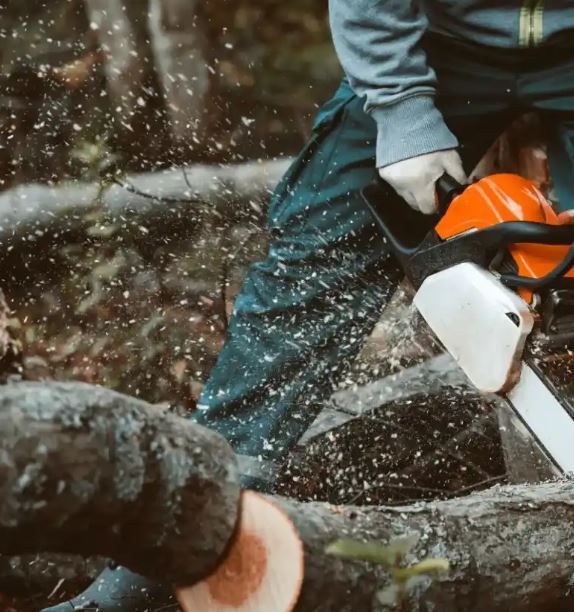
Complete Tree Removal
This service includes the full dismantling and removal of dead, diseased, or unwanted trees from any residential or commercial property. Arborists use controlled rigging, directional felling, and safe sectioning techniques to protect nearby structures. All debris is hauled away, leaving a clean and hazard-free area ready for restoration or landscaping.
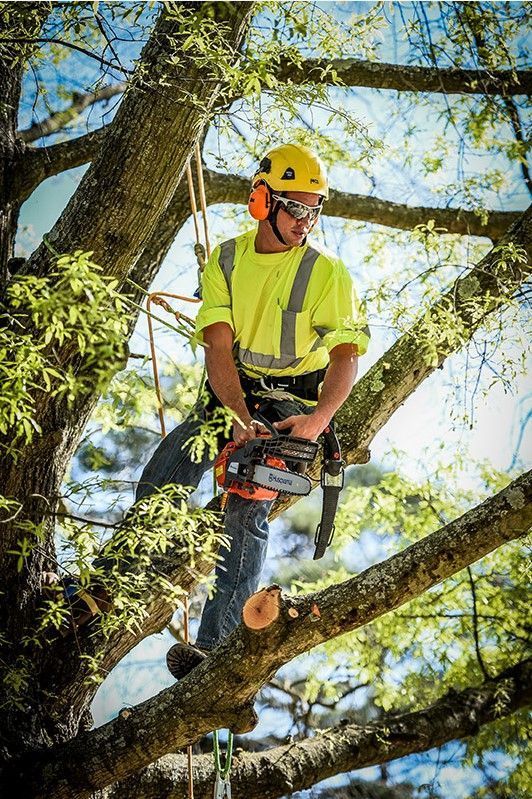
Hazardous & High-Risk Tree Removal
These removals focus on trees with structural defects, trunk decay, root failure, or heavy lean that pose immediate safety threats. Specialized equipment and hazard assessments ensure the tree is taken down with maximum control. This service is essential for trees located near homes, fences, driveways, and utility lines.
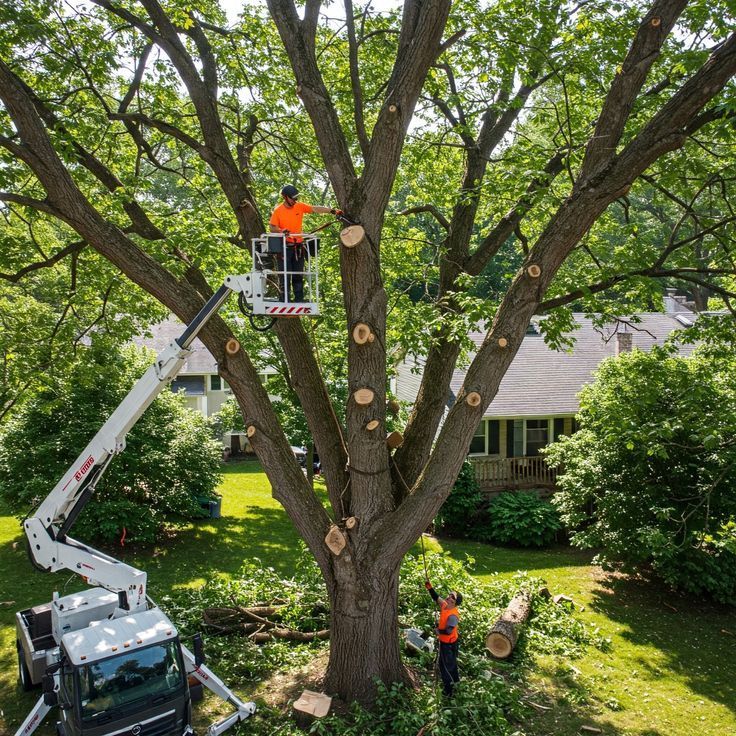
Large & Complex Tree Removal
Oversized, multi-stem, or tightly positioned trees require advanced technical rigging and experienced arborists. Crews use mechanical advantage systems, climbing techniques, and precision cutting to dismantle difficult trees safely. This service is ideal for trees too large for conventional felling or located in restricted-access spaces.
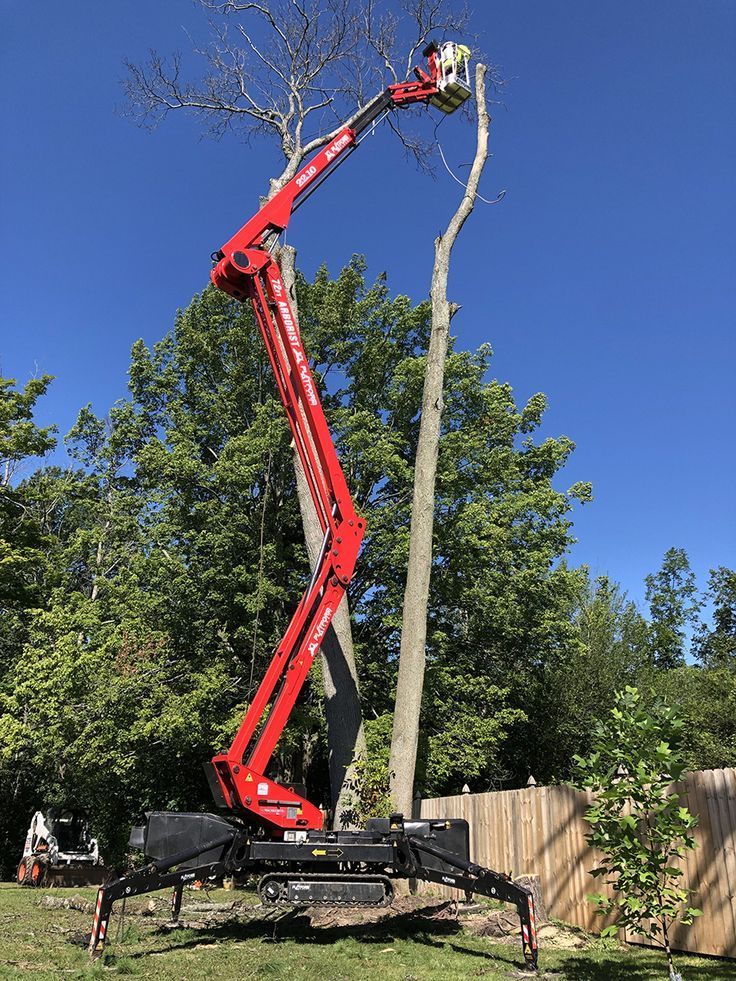
Tree Removal with Crane Assistance
Crane-assisted removal allows arborists to lift heavy tree sections vertically, reducing ground impact and eliminating risk to surrounding structures. This method is extremely efficient for massive trees, storm-damaged trunks, or tight yards with limited space. The crane operator and climbing arborist work together to ensure a fast, controlled, and highly safe removal process.
Benefits of Professional Tree Removal
Risk Mitigation
Certified arborists eliminate dangerous trees that could fall due to decay, storms, or unstable branches. This prevents potential injuries and major property damage.
Better Landscape Health and Sustainability
Removing diseased or pest-infested trees helps stop the spread of fungi and insects to healthy vegetation. It also allows more light, nutrients, and space for remaining trees to thrive.
Faster, Cleaner, and More Efficient Work
We utilize specialized equipment to remove trees efficiently and leave your property clean and spotless. This includes debris hauling, brush removal, and cleanup, saving you time and stress.
Structural and Property Protection
Professional tree removal ensures that trees near roofs, fences, driveways, and utilities are taken down without causing collateral damage. We use advanced rigging techniques that prevent falling limbs and uncontrolled drops.
Improved Property Appearance
A well-maintained property with safe, healthy trees beautifies your property and boosts overall property value. Professional tree removal eliminates unsightly dead or leaning trees that make your property look ugly.
Our Tree Removal Safety Standards
We commit to safe and code-compliant tree removal. We've set safety standards for our tree removal service and meticulously follow them.
ANSI Z133 Safety Standard Compliant
The ANSI Z133 standard outlines the required practices for safe arboricultural work—including chainsaw operation, climbing, rigging, and electrical hazard mitigation. These procedures are strictly followed on every job to ensure the safety of everyone involved.
Job Hazard Analysis (JHA) Before Work Begins
Before starting any job, we conduct a job hazard analysis on the site to identify potential risks like rotten wood, unstable limbs, wind direction, power lines, and limited escape paths. This evaluation ensures the crew understands every hazard before making the first cut.
Proper Use of Personal Protective Equipment (PPE)
Our crew members are required to wear helmets, chainsaw chaps, gloves, eye and ear protection, and steel-toe boots. This reduces the risk of injury from chainsaw kickback, falling debris, sharp branches, and noise exposure.
Safe Rigging and Controlled Lowering Techniques
We use proper rigging systems: ropes, pulleys, slings, and friction devices to ensure tree sections are lowered safely without causing damage or injury. It is an essential safety procedure, especially for tree removals near homes, fences, roofs, or tight spaces.
Electrical Hazard Awareness & Minimum Approach Distances
Before starting work, our safety officer inspects the area for energized power lines. We maintain OSHA/ANSI minimum approach distances and avoid operating equipment too close to conductors. Trees in electrical contact are only handled by our qualified arborists with line-clearance training.
Regular Equipment Inspection & Maintenance
Chainsaws, rigging gear, climbing equipment, and aerial lifts must be inspected before every job. Worn ropes, dull chains, faulty brakes, or malfunctioning lifts can cause catastrophic failures. Routine maintenance ensures every tool performs safely and reliably on site.
Tree Removal FAQs
How do I know if a tree needs to be removed?
Trees with decay, fungi, heavy leaning, dead branches, or root instability often require removal. An arborist can assess the tree’s condition and determine whether it’s a safety risk.
Do you need a permit for tree removal in my area?
Permit requirements depend on local parish rules and whether the tree poses a safety hazard. We guide you through the process and help determine if a permit is needed.
How long does a tree removal typically take?
Most standard removals take half a day to one full day, depending on size and difficulty. Large or complex removals may require additional time or specialized equipment.
Will my yard be damaged during the removal?
We use controlled rigging, protective mats, and crane lifts to minimize or fully prevent yard damage. Our crews also perform a full cleanup after the job.
Do you haul away all the tree debris?
Yes—brush, limbs, logs, and all debris are removed as part of the service. Upon request, we can leave wood chips or logs for mulch or firewood.
Can you remove trees near power lines or tight spaces?
Absolutely. Our trained arborists specialize in high-risk removals involving utility lines, fences, structures, and confined yards. We use precision techniques and the right equipment to ensure safety.